
training
Conditioning for the Fourth Quarter
Long runs will not save you. Basketball fitness is repeat-sprint fitness.
Ren Alvarez · Jul 9, 2026
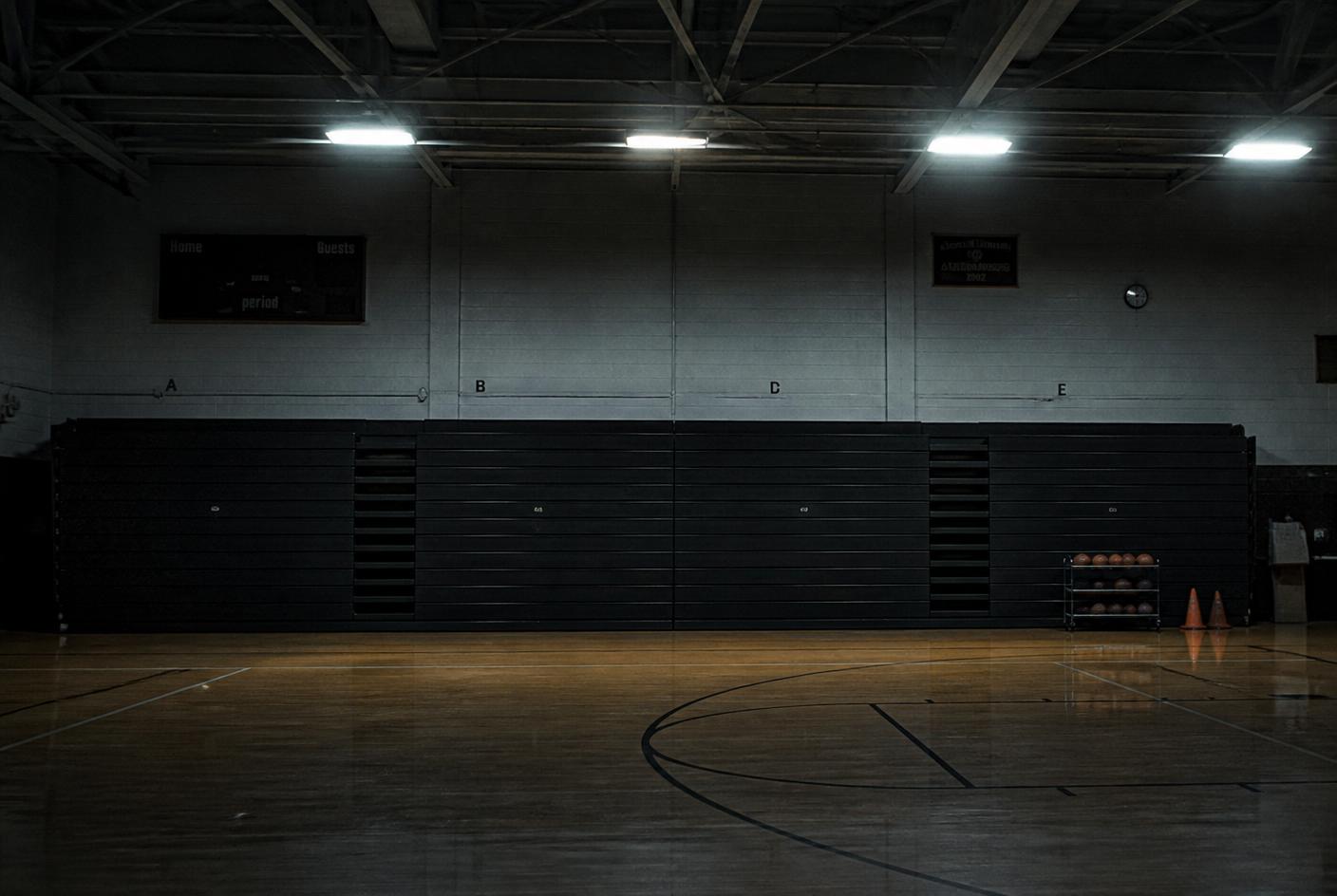
Basketball is not an endurance sport. It is roughly four hundred short accelerations separated by incomplete rest. Training for it with steady-state jogging prepares you for a game nobody is playing.
What you want is repeat-sprint ability: the capacity to go near-maximum, recover partially, and go again without your output collapsing. That is trained by doing exactly that.
A simple protocol: fifteen seconds hard, forty-five seconds easy, twelve rounds. Twice a week, not on days you play. Track your last round against your first — when the gap closes, add rounds.
The fourth quarter is not won by the fittest player. It is won by the player whose fifth sprint looks like their first.
Ready to buy?
Shop the full gift catalog
Every item in this guide — plus dozens more unique basketball gifts — is in our curated catalog.
Browse all gifts →Curated gear
Find the next gift
Browse our full catalog of unique basketball gifts, art and collectibles.
Shop all gifts →Common questions
- Does long-distance running improve basketball conditioning?
- Only partially. Steady running builds an aerobic base, but basketball is repeated short sprints with incomplete recovery. Training that mirrors that pattern transfers far better to the fourth quarter.
- What conditioning drills fit basketball best?
- Repeat-sprint work — shuttles, suicides, and short intervals with fixed rest — plus defensive slide and closeout drills. The goal is to shrink how much your speed drops on the tenth sprint compared with the first.
- How many days a week should I condition in season?
- Two focused sessions on top of practice and games is plenty for most players. Games already supply a large sprint load, so extra volume mostly costs you legs on game night.